소포니스바 Sophonisba
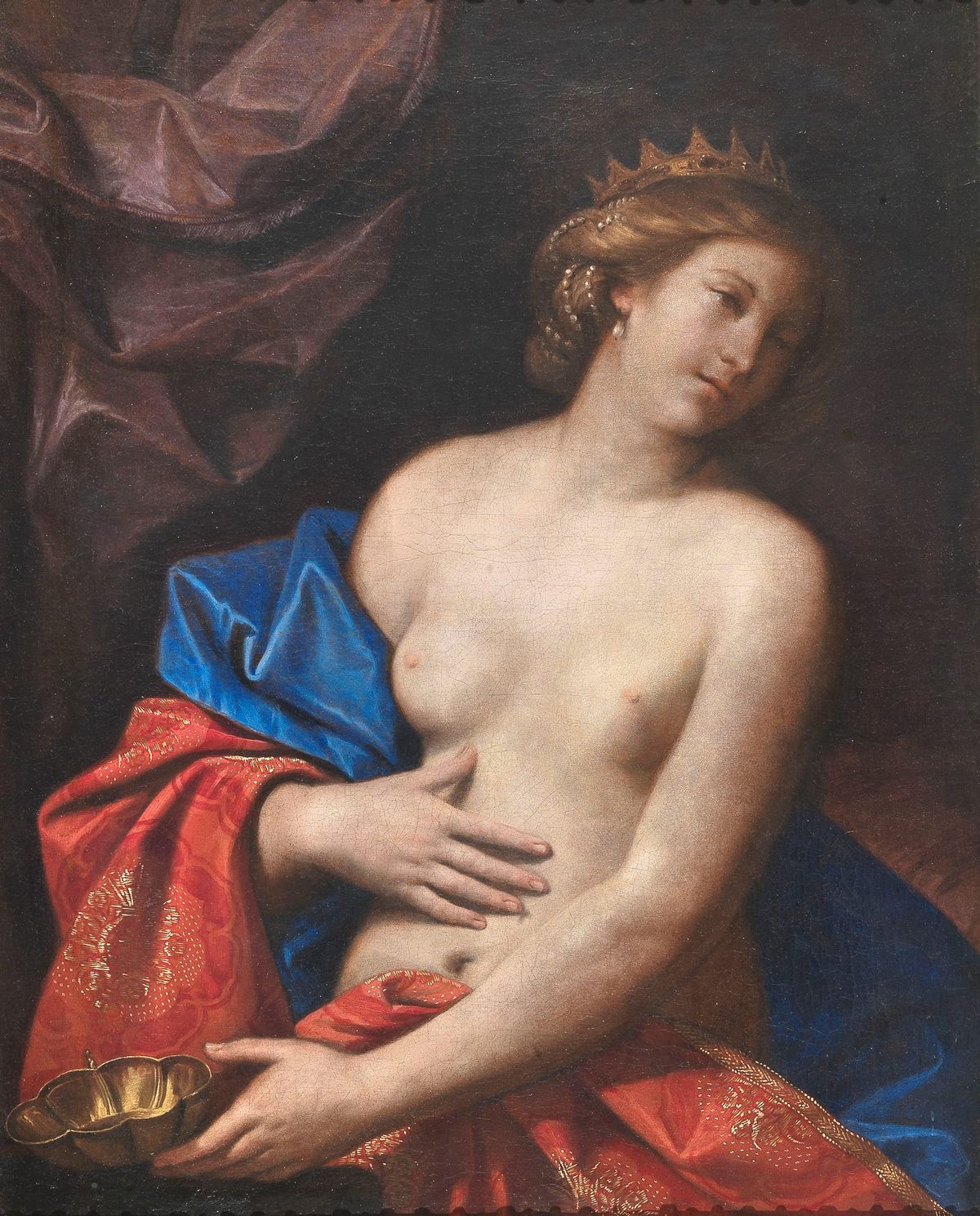
17세기 이탈리아 바로크 회화의 거장 조반니 프란체스코 바르비에리, 널리 귀에르치노(Guercino, 1591–1666)로 불리는 화가가 1630년에 완성한 유화 소포니스바(Sophonisba, 또는 The Death of Sophonisba, 이탈리아어: Sofonisba)는 109.0 cm × 89.0 cm 크기의 캔버스에 유채로 그린 대표적인 고대 비극 역사화 걸작입니다. 현재 이탈리아의 주요 공공 미술관 또는 유럽 저명 컬렉션에 소장되어 있습니다.
금빛 독약 잔과 화실에서 벌어진 찻잔 소동
1630년 이탈리아 볼로냐와 첸토에서 활동하던 귀에르치노는 고대 카르타고의 귀족이자 누미디아의 왕비였던 소포니스바의 비극적인 죽음을 화폭에 담고자 깊은 고뇌에 빠졌습니다. 제2차 포에니 전쟁 중 로마군에 사로잡혀 굴욕적인 포로로 끌려갈 위기에 처하자, 남편 마시니사가 보낸 독약 잔을 망설임 없이 들이켜 스스로 명예를 지켜낸 여인의 고결한 영혼을 그리고 싶었습니다. 화가는 화실에 화려한 비단 커튼을 드리우고, 머리에 금빛 왕관과 진주를 두른 모델을 세운 뒤 금제 독약 잔을 쥐여주며 비장한 순간을 연출했습니다.
이 그림을 준비하던 날, 화실에서는 팽팽한 긴장감 속에 웃음이 절로 나오는 소동이 벌어졌습니다. 모델이 한 손으로 독약이 퍼지는 복부를 감싸 쥐고, 다른 손으로는 빈 금빛 잔을 쥔 채 스르륵 눈을 감으며 쓰러지는 포즈를 취하고 있던 중이었습니다. 너무 실감 나게 고개를 젖히다 중심을 잃어버렸고, 손에 쥐고 있던 소품용 금속 잔이 바닥으로 땡그랑 굴러떨어졌습니다. 그 소리에 놀란 화실 조수가 들고 오던 따뜻한 차가 담긴 도자기 찻잔마저 바닥에 떨어뜨려 깨지는 바람에 화실 안은 한순간에 아수라장이 되었습니다.
바닥에 주저앉아 눈치를 보던 조수와 멋쩍게 웃음을 짓는 모델을 본 귀에르치노는 껄껄 웃음을 터뜨리며 모두를 안심시켰습니다. 화가는 죽음의 문턱 앞에서도 여왕의 품격을 잃지 않고 차분하게 고개를 기울이는 모델의 순백의 목선과 창백한 뺨이야말로 고결한 희생을 보여줄 최고의 조형미라며 감탄했습니다. 귀에르치노는 햇살을 받아 부드럽게 빛나는 상반신의 유려한 피부 결, 금실 자수가 놓인 붉은 치마와 선명한 푸른색 망토의 화려한 색채 대비, 그리고 금빛 잔의 정교한 돋을새김까지 맹렬한 속도로 캔버스에 담아냈습니다. 평생 사시라는 신체적 약점을 딛고 장엄한 고전주의 양식과 서정적인 명암법을 완벽하게 완성해 낸 거장의 원숙한 예술혼이 이 비장한 화폭 속에 고스란히 살아 숨 쉬고 있습니다.
체념하듯 기운 고개에서 복부를 감싼 손과 금빛 잔으로, 시선의 심리적 여정
그림을 마주하는 순간 관람객의 무의식적 시선은 화면 상단 짙은 배경 속에서 은은한 자연광을 받아 환하게 빛나는 소포니스바의 우아한 턱선과 스르륵 감긴 눈꺼풀로 가장 먼저 빨려 들어갑니다. 로마의 노예가 되기를 거부하고 죽음을 의연하게 받아들이는 여왕의 차분하고도 애절한 옆모습은 보는 이에게 깊은 시각적 슬픔과 함께 숭고한 카타르시스를 선사합니다.
이어 시선은 상반신을 훤히 드러낸 여왕의 우윳빛 살결을 타고 내려와, 독약의 기운을 느끼며 배 위에 살포시 얹어둔 오른손의 섬세한 손가락 마디로 이동합니다. 손가락 끝으로 고통을 묵묵히 억누르는 조심스러운 손놀림과 머리에 얹힌 금빛 왕관의 반짝임을 확인하는 순간, 관람객은 비극적인 결말을 향해 멈추지 않고 흘러가는 역사의 순간 속으로 온몸이 빨려 들어가게 됩니다.
마지막으로 시선은 여왕의 왼손에 쥐여 있는 꽃잎 모양의 금빛 독약 잔을 지나, 하체를 풍성하게 감싸고 있는 붉은 금사 자수 천과 짙푸른 실크 망토의 화려한 주름에 멈춥니다. 칠흑 같은 어둠을 뚫고 솟아오른 여왕의 눈부신 존엄성과 꺾이지 않는 영혼의 위엄을 마주하며, 관람객은 자유를 위해 목숨을 바친 숭고한 결단의 가치와 귀에르치노가 건네는 묵직한 예술적 감동을 가슴 깊이 마주하게 됩니다.
17세기 볼로냐 바로크 역사 비극화의 정점과 조형적 완성도, 미술계의 평가
미술계는 소포니스바를 귀에르치노가 카라바조의 강렬한 테네브리즘 명암법과 볼로냐 고전주의의 이상적인 인체 비례를 가장 완벽하게 결합하여 완성한 대표적인 명작으로 평가합니다.
여왕의 부드러운 살결, 화려한 금사 자수 직물의 촉각적 질감, 금빛 잔의 금속성을 극도로 섬세한 명암 대비로 완벽하게 구현했을 뿐만 아니라, 죽음이라는 비극적 사건을 자극적인 공포 대신 숭고한 고전적 비장미로 승화시켰기 때문입니다. 고대 역사의 비극 속에서 인간의 흔들림 없는 품격을 찬양했던 귀에르치노의 이 서정적인 화폭은, 오늘날까지도 전 세계 수많은 감상자들에게 깊은 감탄과 잊을 수 없는 시각적 전율을 전해주는 불멸의 명작으로 손꼽히고 있습니다.
Sophonisba
Painted in 1630 in Cento by the preeminent Italian Baroque master Giovanni Francesco Barbieri, universally celebrated as Guercino (1591–1666), Sophonisba (also titled The Death of Sophonisba, Italian: Sofonisba) is an oil on canvas measuring 109.0 cm × 89.0 cm (42.9 in × 35.0 in), preserved in a distinguished European collection.
The Gilded Poison Goblet and the Spilled Teacup Commotion in the Studio
In 1630, at the height of his prestige in Cento and Bologna, Guercino undertook a monumental history painting depicting the tragic demise of Sophonisba, the noble Carthaginian princess and Queen of Numidia during the Second Punic War. To avoid being paraded through Rome as a humiliated captive in Scipio's triumph, Sophonisba drank the cup of poison sent by her husband Masinissa, choosing death over servitude with unwavering regal fortitude. Guercino sought to portray her not as a frantic victim, but as a courageous monarch surrendering her mortal breath with dignified serenity. The master arranged a rich drapery backdrop in his atelier, dressing his model in a jeweled crown and an embroidered crimson and azure wrap while placing a fluted gold goblet in her hand.
A memorable and dramatic incident occurred during the preparatory sitting. As the model leaned her head backward with half-closed eyes and placed her right hand upon her abdomen to convey the onset of the venom, she momentarily lost her footing. The prop goblet slipped from her fingers, clattering loudly against the stone floor. Startled by the sudden commotion, a studio assistant carrying a tray of hot tea dropped his ceramic cup, which shattered into pieces with a loud crash.
The unexpected uproar dissolved the solemnity into laughter as the model blushed and apologized. Guercino laughed heartily, praising the natural, vulnerable tilt of the model's head and the pale, relaxed beauty of her throat as she recovered her poise. The master worked with extraordinary speed, recording the sunlit alabaster contours of her torso, the delicate pearl strands woven into her braided hair, the radiant highlights on the lobed gold cup, and the opulent gold-embroidered crimson brocade. Channeling his lifelong mastery of dramatic chiaroscuro, Guercino transformed this ancient historical sacrifice into an enduring visual hymn of sovereign courage.
Subconscious Trajectory of the Gaze: From Resigned Countenance to the Gilded Cup
The observer's subconscious gaze is immediately magnetized by the upper register, drawn to the luminous, porcelain skin of Sophonisba's face and tilted neck framed by a radiant gold crown against the enveloping dark drapery. Her downcast, fluttering eyelids, parted lips, and serene expression establish an instant focal point of regal beauty, tragic surrender, and stoic resolve.
The visual path then descends along her bare, sun-drenched chest and torso to her right hand gently pressing against her abdomen. Taking in the delicate, relaxed fingers acknowledging the quiet spread of the poison, the viewer directly experiences the solemn interior drama and the physical reality of her final moments.
Finally, the visual trajectory sweeps toward the lower left, resting upon the fluted gold goblet held loosely in her left hand, before ascending the voluminous, shimmering folds of her scarlet brocade mantle and the rich ultramarine drape across her shoulder. Observing the dramatic harmony between enveloping chiaroscuro, tactile material realism, and heroic stoicism, the spectator perceives the timeless nobility of ancient fortitude and the profound aesthetic solace Guercino embedded within the monumental canvas.
The Monument of Bolognese Tragic Realism: Critical Legacy
Art historians revere Sophonisba as a consummate masterpiece of Guercino’s mature career, illustrating his synthesis of Caravaggesque tenebrism with the classical heroic balance of the Carracci school.
By orchestrating delicate textural contrasts between luminous skin, shimmering silk brocade, cold embossed gold, and translucent pearls within a unified chiaroscuro scheme, Guercino elevated a historical catastrophe into an exquisite aesthetic meditation. This magnificent canvas stands as an inspiring testament to the master's enduring creative genius, celebrating the poetic power of human dignity and the transformative grace of living art.
본 컨텐트의 저작권은 팔렛트제주에 있습니다. 허가없는 무단전제를 금지합니다.
Copyright © Palette Jeju. All rights reserved. Unauthorized reproduction or redistribution is strictly prohibited.