기억의 색채로 빚어낸 모성의 초상, 화가의 어머니 초상 Portrait of the Artist's Mother
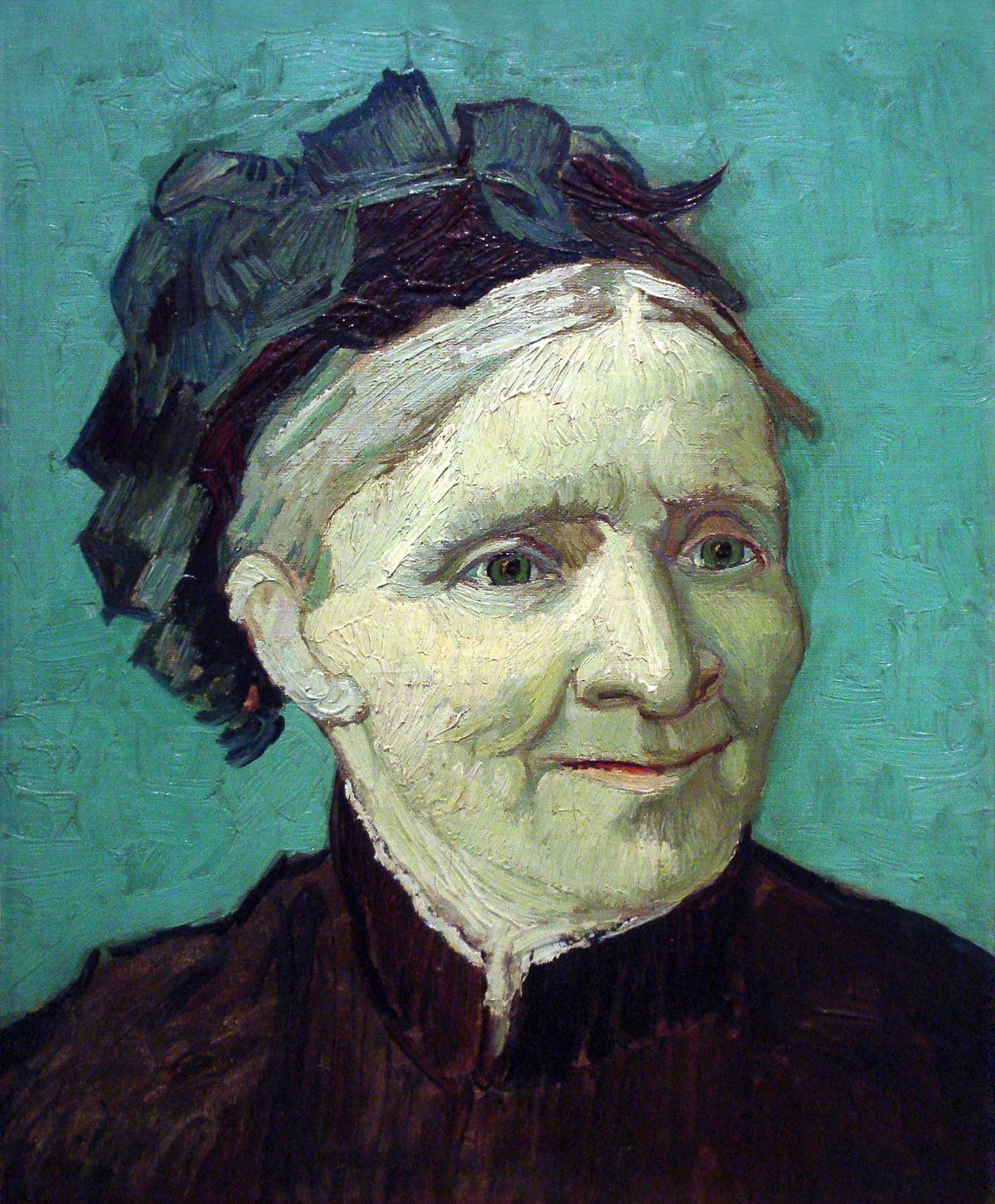
네덜란드의 후기 인상주의 거장 빈센트 반 고흐(Vincent van Gogh, 1853–1890)가 1888년 10월에 완성한 유화 《화가의 어머니 초상(Portrait of the Artist's Mother)》은 40.5 cm × 32.5 cm 크기의 캔버스에 담긴 소품으로, 현재 미국 캘리포니아주 패서디나의 노턴 사이먼 미술관(Norton Simon Museum)에 영구 소장되어 있습니다.
흑백 사진의 굴레를 벗어던진 아들의 붓질과 숨은 일화들
1888년 가을, 프랑스 아를의 '노란 집'에서 폴 고갱과의 기념비적인 공동 작업을 준비하던 고흐는 여동생 빌레미엔(Willemien)으로부터 어머니 안나 코르넬리아 카르벤투스 반 고흐(Anna Cornelia Carbentus van Gogh)의 흑백 사진을 우편으로 받았습니다. 당시 고흐는 가족들과 오랜 기간 불화를 겪으며 물리적·정서적으로 멀어져 있었고, 어머니는 장남인 빈센트의 불안정한 예술가적 방황을 평생 깊이 염려하고 있었습니다.
사진을 받아 든 고흐는 차갑고 무색무취한 인화지 속에 갇힌 어머니의 창백한 얼굴을 견딜 수 없어 했습니다. 그는 동생 테오에게 보낸 편지(Letter 704)에서 "어머니의 무색 사진을 도저히 참을 수가 없다. 기억 속에 살아 숨 쉬는 풍부한 색채의 조화로 어머니의 모습을 남기고 싶다"며 강렬한 창작 동기를 밝혔습니다. 흑백 사진이라는 단순한 시각적 기록을 거부한 그는, 본인의 기억과 내면의 감정을 투영해 잿빛 흑백상을 온기 넘치는 초록빛 눈동자와 온화한 안색, 세월의 지혜가 담긴 은발로 완벽히 재해석했습니다.
특히 이 초상화는 고흐가 여동생 빌레미엔을 위해 아를의 침실을 장식할 그림을 구상하던 중 제작된 것으로, 당시 고갱이 강조하던 '상상과 기억에 의존한 회화' 실험과도 궤를 같이합니다. 고흐는 실제 모델 없이 오직 흑백 사진의 윤곽과 유년 시절부터 각인된 어머니의 인상을 결합해 캔버스를 채워 나갔으며, 이는 가족과의 불화와 단절이라는 깊은 상처를 예술적 헌신을 통해 극복하고자 했던 처절한 화해의 제스처였습니다.
시선의 궤적과 무의식의 심리적 감응
감상자의 무의식적인 시선은 캔버스의 중심을 관통하는 맑고 깊은 에메랄드빛 녹색 눈동자로 가장 먼저 이끌립니다. 이 맑은 응시점에서 출발한 시선은 이마와 광대뼈를 타고 흐르는 부드러운 상아색 하이라이트로 유영하다가, 온화한 미소를 머금은 입매와 목덜미를 감싼 검은 레이스 보닛의 짙은 주름으로 자연스럽게 하강합니다.
배경에 펼쳐진 환하고 청량한 청록색(Sea-green)과 인물이 입고 있는 짙고 묵직한 갈색 의복의 극명한 보색 대비는, 보는 이의 심리 속에 경쾌한 생명력과 엄숙한 경외감을 동시에 촉발합니다. 관람자는 의식하지 못하는 사이에 인물의 인자한 표정 이면에 흐르는 묵직한 고독과 모성적 포용력을 감지하게 되며, 부모의 인정을 갈망했던 화가의 애틋한 그리움과 죄책감이 빚어낸 붓 터치의 진동에 깊숙이 빠져들게 됩니다.
재현을 넘어선 감정의 표상, 미술사적 성취
이 작품은 외형의 사실적인 복제를 중시하던 19세기 아카데미즘 화풍을 완전히 뛰어넘어, 색채와 질감을 화가의 주관적인 감정과 심리 상태를 대변하는 독립적 조형 언어로 확립한 걸작입니다. 미술사가들은 흑백 사진이라는 기계적 기록물을 기억의 필터로 여과하여 감정의 실체로 재탄생시킨 이 작업을 표현주의 초상화의 선구적 이정표로 꼽으며, 아를 시기 반 고흐가 도달한 색채 해방의 정점을 증명하는 귀중한 유산으로 평가하고 있습니다.
Resurrecting Memory in Living Color, Portrait of the Artist's Mother
Painted in October 1888 by Vincent van Gogh (1853–1890), Portrait of the Artist's Mother is an oil on canvas measuring 40.5 cm × 32.5 cm (15.9 in × 12.8 in), preserved in the permanent collection of the Norton Simon Museum in Pasadena, California.
Beyond the Monochromatic Veil: Historical Anecdotes and Filial Reconciliation
In the autumn of 1888, while busily preparing the Yellow House in Arles for Paul Gauguin’s arrival, Vincent van Gogh received a black-and-white photograph of his mother, Anna Cornelia Carbentus van Gogh, sent by his sister Willemien. Long estranged from his family and burdened by his mother’s perpetual anxiety regarding his erratic artistic lifestyle, Vincent was deeply unsettled by the lifeless, colorless representation of her visage.
Writing to his brother Theo in Letter 704, Vincent candidly confessed his aversion to the monochromatic photograph, declaring that he could not bear the colorless likeness and insisted on capturing her memory through harmonious, living hues. Refusing mechanical duplication, he relied on childhood recollections and subjective intuition, transmuting the stiff photographic portrait into a glowing countenance adorned with translucent green eyes, silvery hair, and warm skin tones against a vibrant sea-green field.
The creation of this piece coincided with Gauguin’s advocacy for painting from memory and imagination rather than direct observation. By fusing the structural cues of a black-and-white print with vivid personal recollection, Van Gogh turned this canvas into an emotional sanctuary—an artistic offering intended to mend familial fractures and express an enduring, unspoken devotion to his mother across vast geographical and emotional divides.
The Psychological Gaze and Unconscious Visual Harmony
The observer’s gaze is instinctively seized by the luminous emerald eyes that anchor the portrait’s psychological center. Moving outward from this intense focal core, visual perception glides across the delicate ivory highlights of the forehead and cheeks before descending toward the subtle warmth of the lips and the dark, textured drapery of her lace-trimmed bonnet.
The bold juxtaposition between the radiant turquoise backdrop and the austere, earthen garments creates a profound internal rhythm, evoking both vibrant vitality and reverent solemnity. Beneath conscious awareness, the viewer navigates this dynamic chromatic dialogue, absorbing both the serene dignity of the maternal figure and the undercurrents of filial longing and melancholy embedded within Van Gogh’s rhythmic impasto.
Beyond Mimesis: Historical and Critical Significance
This portrait stands as an extraordinary milestone in Post-Impressionist portraiture, marking Van Gogh’s complete liberation from academic naturalism in pursuit of pure emotional resonance. Art historians celebrate the piece as a crucial precursor to modern Expressionism, illustrating how an artist could dismantle photographic rigidity through the expressive power of color, transforming memory into an enduring psychological statement.
© 2026 Art Review Project. All rights reserved.
본 컨텐트의 저작권은 팔렛트제주에 있습니다. 허가없는 무단전제를 금지합니다.