아기 예수의 경배 The Adoration of the Christ Child
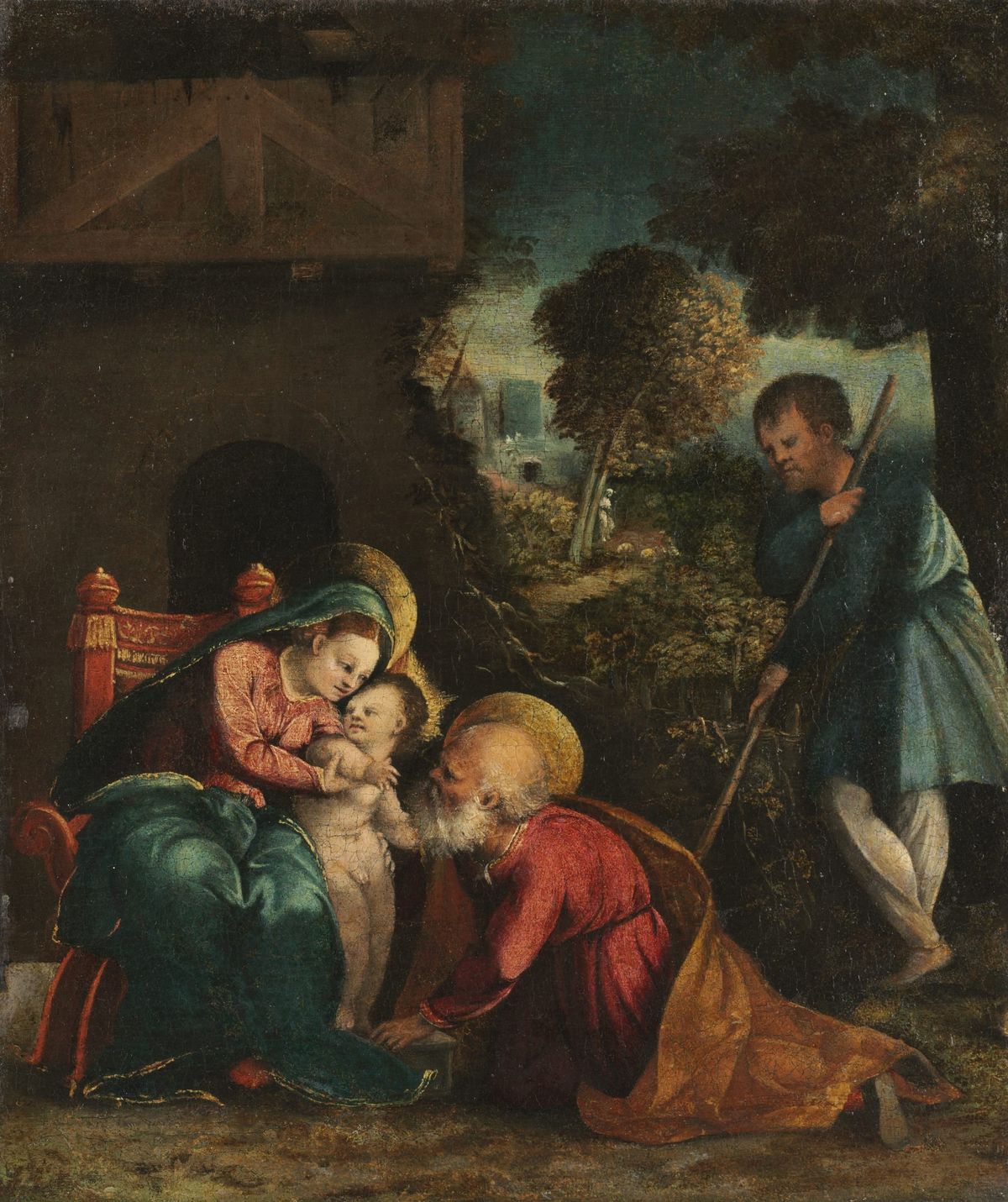
16세기 이탈리아 페라라 화파의 거장 도소 도시가 1519년경에 완성한 유화 작품 아기 예수의 경배는 이탈리아 로마의 보르헤세 미술관에 소장되어 있는 높이 49.2 cm, 너비 32.5 cm 크기의 패널 회화 최고 걸작입니다.
과거 루크레치아 데스테 다우르비노의 1592년 소장 기록과 알도브란디니 가문을 거쳐 보르헤세 가문으로 이어졌으며, 현재까지 원본 소장처인 이탈리아 로마의 보르헤세 미술관 제15실 오로라의 방에 영구 소장되어 안전하게 보존되어 오고 있습니다.
이 작품은 독립된 완성형 패널화로서 화면 전체의 성가정 인물 군상과 주변 공간의 세밀한 묘사를 온전하게 감상할 수 있는 작품입니다.
작가의 고뇌/비하인드
16세기 전반 페라라 궁정에서 활동하던 도소 도시는 아기 예수의 탄생과 경배의 순간을 화폭에 담으면서 인물들 간의 교감과 명암의 조화를 효과적으로 풀어내고자 했고, 화가는 성스러운 인물들의 표정과 자세를 당시의 회화적 기법으로 정교하게 표현하는 데 집중했습니다.
보르헤세 미술관의 공식 학술 기록 및 소장 도록에 따르면 이 작품은 흰 천 위에 누워 잠든 아기 예수, 그를 보살피는 성모 마리아, 지팡이를 짚고 허리를 굽힌 요셉, 그리고 상단에서 천상의 찬가를 부르는 아기 천사 푸티의 도상학적 요소를 통해 신성한 은총을 상징하는 장치로 분석됩니다.
화가는 무너진 건축물 실내를 배경으로 성가정의 고요한 순간을 화폭에 담았습니다. 화면 전면에는 화려한 옷을 입은 성모 마리아와 무릎을 굽힌 요셉의 모습이 돋보이며, 그 곁에서 잠든 아기 예수와 지팡이의 실루엣이 묵직하게 배치되어 있습니다.
인물들은 당시의 품격 있는 묘사와 자연스러운 자세를 갖추고 서로 묘한 긴장감을 자아냅니다. 화면 상단의 빛이 스며드는 건축물 구조와 먼발치의 풍경은 화가가 추구했던 16세기 북이탈리아 회화의 공간감을 드러냅니다.
무의식 속 시선 및 심리 흐름
그림을 마주하는 순간 관람객의 무의식적 시선은 화면 전면에서 평온하게 누워있는 아기 예수의 부드러운 윤곽선과 성모 마리아의 온화한 손길로 가장 먼저 향합니다. 거룩한 분위기를 전하는 인물의 자태는 시각적 몰입감을 불러일으킵니다.
몸을 굽혀 경배하는 요셉의 묵직한 실루엣과 상단에서 천상의 깃발과 악보를 펼치고 있는 아기 천사들의 역동적인 동작으로 자연스럽게 이동합니다. 현장의 경건하면서도 신비로운 기운을 체감하는 순간 관람객은 16세기 북이탈리아의 종교적 공간으로 빠져들게 됩니다.
마지막으로 화면 상단의 건축물 틈새로 불어오는 대기감 속으로 멈춥니다. 인물들의 심리적 안정감과 배경의 조화를 통해 관람객은 종교적 서사를 담아낸 거장의 조형 감각을 마주하게 됩니다.
미술계의 평가 및 조형미
미술계와 보르헤세 미술관 공식 도록은 이 작품을 도소 도시의 독창적인 종교화 역량이 집약된 대표작으로 평가합니다. 엄숙한 주제 속에서도 인물의 심리를 세밀하게 포착하고, 풍부한 색채와 명암 대비를 통해 입체감을 탁월하게 살려냈기 때문입니다. 경건한 서사의 한 단면을 생생하게 담아낸 이 화폭은 오늘날까지도 감상자들에게 깊한 인상을 남기는 명작으로 손꼽힙니다.
The Adoration of the Christ Child
Painted around 1519 by the High Renaissance master Dosso Dossi, The Adoration of the Christ Child is an oil painting on wood housed in the Borghese Gallery in Rome, measuring 49.2 cm in height and 32.5 cm in width.
Preserved through historic collections including the Este and Aldobrandini inventories, it stands as a compelling religious masterpiece of the Ferrarese school.
This independent painting presents the complete original composition in its entirety, reflecting the refined artistic sensibilities of northern Italy.
Historic Context & Arcadian/Genre Depth
During the early 16th century in Ferrara, Dosso Dossi drew deep inspiration from sacred themes, capturing the serene and tender bond of the Holy Family within a focused, intimate composition.
The master portrayed the psychological nuances of devotion by utilizing rich oil pigments and dramatic chiaroscuro to unify the sacred figures with their shadowed interior surroundings.
According to official museum records and scholarly documentation, this panel incorporates key iconographic elements such as the sleeping Christ Child on a white cloth, the Virgin Mary tenderly covering him, Saint Joseph leaning on a staff, and musical putti overhead, serving together as powerful emblems of divine grace.
Dossi staged the composition against a rustic architectural backdrop that immediately accentuates the spiritual tension and quiet mystery of the scene.
In the foreground, the Holy Family is depicted amidst intimate devotional attributes.
The meticulous rendering of their features, elegant attire, and the atmospheric lighting reflects the peak of Ferrarese religious painting and spatial mastery.
Subconscious Trajectory of the Gaze
The observer's subconscious gaze is immediately magnetized by the graceful visage of the infant in the foreground and the precise, luminous handling of light over the figures.
Their profound psychological resonance and quiet presence establish an immediate focal point of deep devotion and emotional stillness.
The visual path then shifts outward along the fine textures of the garments, the architectural elements, and the expressive putti above.
The viewer directly experiences the atmospheric intimacy and meditative silence of a 16th-century sacred space.
Finally, the visual trajectory moves toward the solid contours of the figures before absorbing the dark background and subtle illumination.
Observing this seamless equilibrium between character study, internal mood, and narrative depth, the spectator perceives the timeless poetry of sacred art.
Critical Legacy
Art historians and museum curators revere The Adoration of the Christ Child as a vital milestone in Dosso Dossi’s religious oeuvre, illustrating his consummate ability to unite intimate character study with masterful oil technique.
By orchestrating delicate textural contrasts between vibrant garments, organic skin tones, and deep chiaroscuro lighting, Dossi transformed a traditional biblical scene into an exquisite aesthetic treatise on devotion and human grace.
This magnificent painting endures as an inspiring testament to the master's creative vision, celebrating the quiet poetry of spiritual existence and the enduring beauty of Renaissance art.
본 컨텐트의 저작권은 팔렛트제주에 있습니다. 허가없는 무단전제를 금지합니다.
Copyright © Palette Jeju. All rights reserved. Unauthorized reproduction or redistribution is strictly prohibited.